
Breast Augmentation Incisions and Scars in Korea: There Is No Surgery Without a Scar
This guide covers breast augmentation incisions and scars for patients having surgery in Korea at U&U Plastic Surgery, a breast-only clinic in Gangnam, Seoul. If there is an incision, there will be a scar. What you can choose is where it sits and how it is cared for afterwards.
Medically reviewed byKikap Kim · Chief Director, Plastic Surgery
Breast Augmentation Incisions and Scars at U&U Plastic Surgery at a Glance
- Three incision sites
- Armpit (inside the crease; no scar on the breast itself, often with an endoscope), breast fold (along the crease beneath the breast, with a good surgical view) and around the areola (along its border, shaped by areola size and anatomy). We do not say any one incision is always better.
- How the incision is chosen
- Not by the scar position alone: implant size and the layer it will sit in, tissue thickness, and whether this is a first operation or a revision are weighed together. At consultation we tell you both where the scar can be moved to and where that is difficult.
- What shapes the final scar
- Incision length and position, closure that shares tension across layers, skin type and constitution (a tendency to keloids, how earlier scars healed) and care in the first few months all play a part. We do not promise a scar result from the name of an incision technique.
- Care by stage
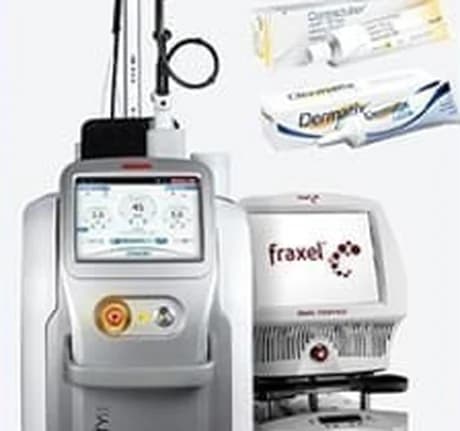
- Right after surgery the wound is left undisturbed; within 3 months scar ointments and adhesive products such as Steri-Strip and CicaCare are used; after 3 months toning or Fraxel laser is considered depending on the scar. If it is still wide or raised after a year, scar revision under local anaesthesia is considered.
- What to avoid
- Smoking, sun on the scar, heavy upper-body exercise or arm use before it has healed, and applying products of unconfirmed effect on your own.
- Revision and scars
- We first check whether the previous scar can be reused. If the work cannot be reached through the old incision and another route is needed, we explain why and where one more scar will sit before surgery.
- The scar you cannot see
- Tissue inside the pocket also heals and affects feel and shape. Along with the line on the skin, we check by ultrasound how the inside is healing.
- Coming from abroad
- The schedule starts from where stitch removal and the first check will happen. Before you fly home we set out the products to keep using, how to use them and what changes to watch, and we follow progress remotely through photos.
- Medical team and consultation
- Dr. Kikap Kim, Chief Director (plastic surgery; appointed Key Opinion Master by Motiva Korea), and plastic surgeons Dr. Jeonghwa Seo and Dr. Yunggi Lee. Phone +82-2-544-6996, online consultation, WhatsApp, LINE or WeChat depending on your region, and KakaoTalk. Weekdays 10:00 to 19:00, Fridays until 21:00.
The scar is decided the moment the incision is chosen
An implant needs a route into the body, and that route is the incision. So "where should the scar go" is effectively the first item in the surgical plan. There is no way to leave no scar at all, but moving it somewhere less visible in clothing and in daily life is a real decision we can make.
That said, we do not choose the incision on scars alone. Which implant goes in, which layer it sits in, what the tissue is like, whether this is a first surgery or a revision. All of that narrows the options. If an incision chosen purely for scar position makes the operation itself harder, the result suffers. Keeping that order right matters.

Where the scar sits, by incision site
The table below is here to explain the difference in position. It does not mean one approach is superior.
| Incision site | Where the scar sits | What comes with it |
|---|---|---|
| Armpit (axillary) | Inside a natural fold of the armpit. No scar on the breast itself. | Because the approach starts away from the breast, an endoscope is often used. |
| Breast fold (inframammary) | Along the crease under the breast. | Surgical visibility is good, which is why it is used widely worldwide. |
| Around the areola | Along the border between the areola and the skin. | Following that border can make it less conspicuous, but areola size and anatomy affect whether it is suitable. |
We do not say one incision is simply better
Each has trade-offs, so there is no single right answer. The armpit leaves no scar on the breast but works from a longer distance. The fold gives good visibility but leaves a line under the breast. The areola can hide the line in a border, but only when the anatomy allows. That is why we decide in consultation, looking at your build, your tissue and the result you want together.
Tissue-preserving approaches such as Preserve are not tied to one incision either. The incision can be relatively shorter, but what matters is not where the incision is so much as how much tissue is preserved while operating. Any explanation that promises a scar outcome from the name of an incision alone does not deserve your trust.
What decides how a scar ends up looking
Surgery alone does not decide it. These four work together.
Length and position of the incision
Shorter helps, and so does a site under less tension. But an incision shortened past what the surgery allows increases tissue damage, which works against you.
Closure and finishing
Careful layered closure that shares the tension helps reduce widening. The timing of suture removal is also set by the state of the site.
Skin type and constitution
The same surgery leaves scars that look and heal differently from person to person. If you tend toward keloids or a previous scar came out thick, please tell us in advance.
Care during recovery
The first few months of care affect the result. Ointments and adhesive products, sun protection and not smoking all belong here.
Care changes with the stage
This is how scar care is structured in our aftercare programme. What is actually applied depends on the state of the scar.
- 01
Right after surgery: while the wound closes
At this stage, care is simply not disturbing the wound. When you can shower depends on the state of the incision, so please follow our guidance rather than deciding on your own.
- 02
Within three months: ointments and adhesive products
Several scar ointments are used together, with adhesive products such as Steri-Strip and CicaCare added. Scars look red and raised during this period, but they generally settle with time.
- 03
After three months: considering laser
Depending on the state, treatments such as toning laser or Fraxel laser are tried. Not everyone needs them; we judge by the colour and texture of the scar.
- 04
After a year: considering scar revision
If the scar has widened or stayed raised even then, scar revision under local anaesthesia is considered. Scar revision is within our director's scope of practice.
What works against a scar
These are the avoidable factors, and they are where care makes the biggest difference.
- Smoking. It reduces circulation, hinders wound healing and affects how the scar forms.
- Sun exposure on the scar. Pigmentation can linger.
- Heavy upper body exercise or arm use before it has healed. It puts tension on the incision line.
- Scratching the wound or pulling scabs off.
- Stopping care partway because redness is still there.
- Applying products of unverified effect on your own. Please check with us first.
If you are coming from overseas
Scar care is not something that ends the day after surgery; it runs over months. So we put together the products you need, how to use them and the changes to watch for, so you can continue after you return home. Send us progress photos and we will check the state remotely.
How long you need to stay depends on the incision and the extent of surgery. Where suture removal and the early follow-up happen is the core of scheduling, so we settle that part first in consultation.
A scar changes over time
What you see now is not the final version. But the pace differs from person to person, so we do not pin down a timeline for you.
| Stage | Roughly how it looks | What we do then |
|---|---|---|
| While it closes | The line is distinct and the area around it may be swollen | Not irritating it is the whole of the care |
| The first few months | This is when it looks red and raised | Ointments, adhesive products, sun protection |
| After three months | Colour and texture gradually begin to settle | We consider laser depending on the state |
| Around one year | It generally moves closer to a settled appearance | If anything remains, we discuss revision |
Does a revision mean one more scar
The first thing we look at is whether the previous scar can be reused. If it can, we do not make a new one. So bringing your previous surgical records and incision site to the consultation speeds up that call.
It does not always work out that way, though. If what needs doing sits somewhere the old incision cannot reach, another route is needed. Swapping an implant and rebuilding the pocket need different fields of view.
In that case we tell you beforehand why a different incision is needed and where the extra scar will sit. This is not something you should discover on the day of surgery. If your previous scar healed thick, we factor that into the plan too.
Things we often hear about scars that are not true
These come up in consultation and get corrected. Wherever you heard them, it is worth checking once before you go ahead.
An endoscope makes the scar smaller
The endoscope is a tool for getting a field of view when the approach is far away, as with an armpit incision. It is not equipment that promises a shorter incision.
The name of the technique decides the result
Two people can have the same named incision and end up different. How much tissue was preserved, how the closure was done, and how it was cared for afterwards all work together.
Red means something went wrong
Early on it can look red and raised. It generally follows a course of settling over time. That said, if it feels like it is widening or thickening, tell us at a follow-up.
The more of the good product, the better
There are products suited to each stage. Applying them before the wound has closed is an irritant instead. We also do not recommend using products of unverified effect on your own.
How far a scar can be moved, and why it cannot go further
Moving a scar somewhere less visible is possible. But how far it can be moved is not a question about the scar alone. The size of the implant going in, the layer it sits in, the thickness of the tissue and whether this is a revision narrow the options first.
For example, if a large implant has to go in and the incision is cut down too far, inserting it puts strain on the tissue. Then you like where the scar is but recovery is worse. Not hiding that trade off is how we work. Which side you take is yours to choose once you have heard it.
So when we talk about scars in consultation we say both what can be moved and what cannot. If we only tell you what is possible, you end up disappointed later.
What to tell us before surgery
With this information the incision, the closure and the care plan all change. Even if it seems minor, please mention it.
- How scars from previous surgery or injuries healed.
- Whether you have ever been diagnosed with keloid or hypertrophic scarring.
- Whether you smoke. We will also discuss cutting down or stopping.
- Whether your work or exercise involves heavy use of the arms and upper body.
- Whether you are outdoors a lot. The sun protection plan changes.
- Any scar related product you are currently using.
What to be careful about early on, by incision site
The overall care is the same, but the points we watch differ slightly.
| Incision site | What to be careful about early | What changes in the care |
|---|---|---|
| Armpit | Raising the arm high or using it forcefully | Clothing rubs here often, so we pay attention to adhesive product care |
| Inframammary fold | Underwire touching the incision line | We advise on when to wear a bra and which type as you progress |
| Around the areola | Rubbing or irritating the border area | We explain how to apply ointment along the border specifically |
| Common to all | Sun exposure and upper body exercise before healing | Protection and when to resume activity are set by how you are progressing |
When we suggest scar revision and when we ask you to wait
If a year has passed and the scar has widened or stays raised, we consider scar revision under local anaesthesia. This falls within the lead surgeon's scope of practice. We also see patients about scars from surgery done at other clinics.
That said, more of the people who come to us still need to wait. Touching a scar that is still settling does not end well. So if it is too early we say it is too early, and we tell you what care you can do in the meantime.
Even once we decide to revise, we do not promise in advance how much better it will get. It depends on the width and location of the scar and on your skin. We look at the current state, tell you the range we expect, and then let you decide.
Why the same incision leaves different scars
Cut the same place the same way and the scar that remains still differs from person to person. More of it is decided by that person's skin than by the surgery. Two things in particular get checked at the consultation: whether you tend to form raised, thickened scars, and whether healed wounds tend to leave dark pigment behind.
Both tendencies are observed more often as skin tone gets deeper, which is why we ask about this first with patients coming from abroad. Skin tone alone does not decide it, though. Family history and how your previous wounds healed are far more direct evidence. So photographs of old surgical or injury marks are genuinely useful to us.
Once a tendency is established, the plan changes with it: whether to place the incision elsewhere, whether to adjust how it is closed, and when scar care should start in recovery and how long it should continue. We also tell you in advance how much improvement is realistic. Not making promises we cannot keep matters particularly here.
Scars also form where you cannot see them
When people hear the word scar they picture the line left on the skin. But healing does not only happen in the skin. The tissue inside, where the incision was made and the pocket created, heals the same way. It is simply out of sight.
That internal scarring affects feel and shape. A patch that stays firm to the touch, a pulling sensation when you move your arm, a shape that shifts slightly over time; this process is involved in all of them. The massage and care programme we set out during recovery is aimed at that internal tissue, not only at the scar on the skin.
So we do not hold scar consultations on the skin alone. Alongside whether the visible line is fading, we check on ultrasound how things are healing underneath. There are cases where the surface healed well while the tissue beneath was thickening, and you cannot tell that by looking.
The questions we are asked most about incisions and scars
- How much of a scar is left after breast augmentation?
- The position and length of the scar depend on the incision, and how it finally looks also varies with skin type and constitution. It can be red or noticeable early on, but in many cases it gradually settles with time. Any explanation that promises specific numbers is not accurate.
- Which is better, the armpit or the breast fold?
- The armpit incision has the advantage of leaving no scar on the breast itself, while the inframammary incision gives good surgical visibility. Each has trade-offs, so it is hard to say one is simply superior. We choose by looking at your build, your tissue and the result you want.
- Can you make the scar almost invisible?
- We do not promise that. Shortening the incision and moving it somewhere less conspicuous is possible, but how the scar ends up looking is affected by your constitution and how you heal. We tell you the range we expect before we begin.
- I tend toward keloids — can I still have surgery?
- If a previous wound healed thick or you tend toward keloids, please tell us at consultation. We set the incision site, the closure and the care plan differently for that. In some cases the decision needs to be made carefully.
- Can an existing scar be revised?
- Yes. Scar revision under local anaesthesia is usually considered after a year, and before that we follow the scar with laser and ointment care. Scar revision is within our director's scope of practice, and we also see scars from surgery done at other clinics.
- When do I start applying scar ointment?
- After the wound has closed, and the exact timing depends on the state of the incision. Please do not start on your own — follow the guidance at your follow-up. Within the first three months, ointments and adhesive products are often used together.
- Does using an endoscope make the scar smaller?
- The endoscope is used to get a field of view when the approach is far away, as with an armpit incision. It is not equipment that promises a shorter incision. A scar's result comes from tissue preservation, closure and aftercare together, not from incision length alone.
- My scar is still red. Is something wrong?
- Early on it can look red and raised. It generally follows a course of settling over time. That said, if it feels like the scar is widening or thickening, tell us at a follow-up. We adjust the care from there.
- Does a revision leave one more scar?
- If the previous scar can be reused, we do not make a new one. But if what needs doing sits where the old incision cannot reach, another route is required. In that case we tell you before surgery why it is needed and where the scar will sit.
- How long should I keep sun protection on the scar?
- Sun on a scar can leave pigmentation that lingers, so keeping it protected throughout the care period is better. The exact duration depends on the state of the scar, so we advise you at follow-ups. If you are outdoors a lot, tell us in advance.
Worth reading alongside this
Guides by Procedure
- Breast Augmentation in Korea
- Breast Augmentation Cost Guide — Quote Structure & Country Comparison
- Breast Revision Surgery — Capsular Contracture & Implant Replacement
- Breast Lift (Mastopexy) — Correcting Sagging Breasts
- Nipple & Areola Surgery — Inverted Nipples & Accessory Breasts
- Motiva Breast Augmentation
- Post-Surgery Breast Screening — Mammotome & Ultrasound
- Fat Transfer & Hybrid Breast Augmentation
The incision is not chosen on the scar alone
Tell us about your build, your tissue and the result you want, and we will explain which incisions are possible and where the scar would sit.