
Breast Implant Rupture: What to Do With or Without Symptoms <Advice From International Plastic Surgery Journals>
Medically reviewed byKikap Kim · Chief Director, Plastic Surgery
If you would like to know how often implants rupture before surgery, please refer to the article below.
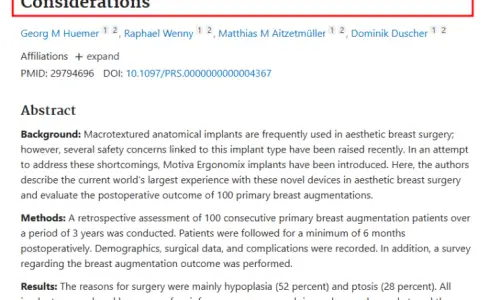
Breast implant rupture rates: a look through Motiva / Sebbin studies. <5 studies attached>
With the table of contents below, this article provides information for those searching for breast implant rupture…
blog.naver.com
Hello. We are U&U Plastic Surgery Clinic, devoted exclusively to breast surgery.
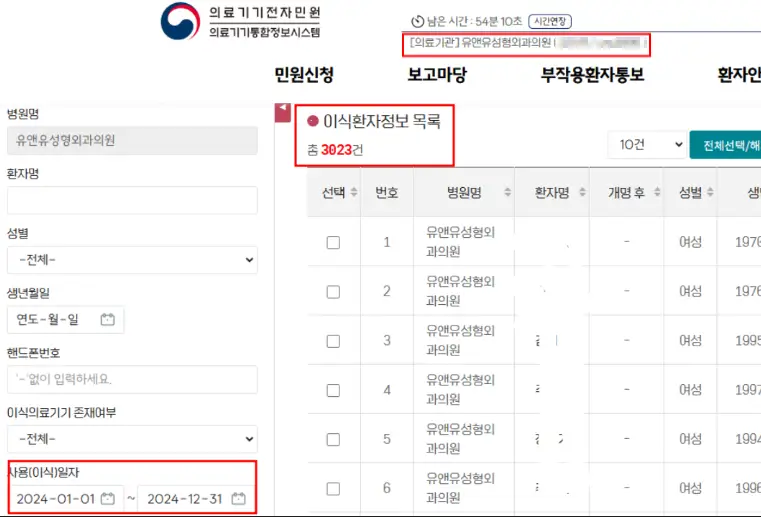
Supporting data: breast implant patient registry
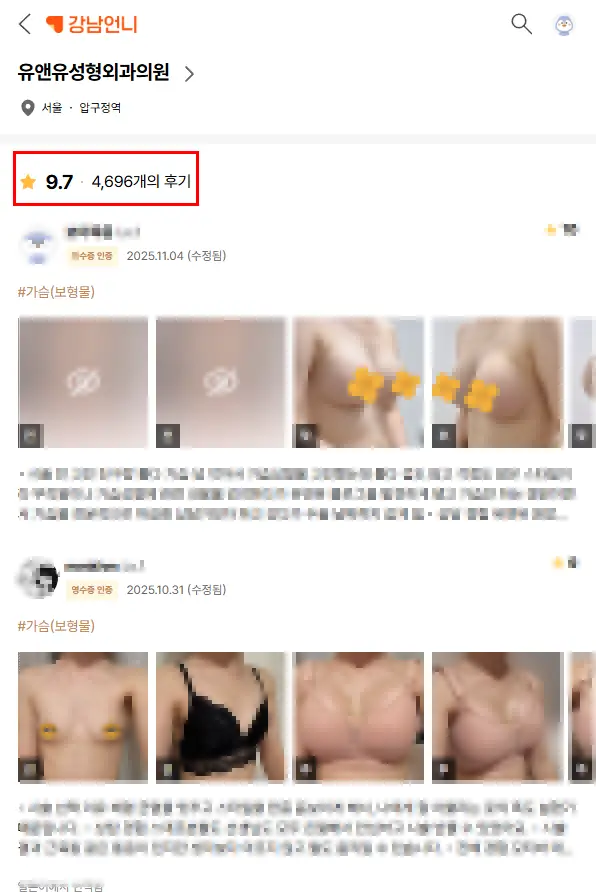
This article was not written solely to promote our clinic.
Implant rupture presents in two main forms.
- Cases without symptoms
- Cases with symptoms
Since the impact on the patient differs between the two cases, we are writing this article in the hope of being of some help.
We will introduce research findings related to these two cases and offer you our advice.
We hope you will base your surgical decision on the scientific data below rather than on internet reviews.
Breast implant rupture
What if there are no symptoms?
Source
Some patients feel nothing unusual in daily life and are diagnosed with a rupture incidentally during a checkup.
The reason a rupture can progress without symptoms like this is simple.
It is because the silicone inside the implant is a solid, jelly-like gel.
In fact, even when a rupture occurs, the silicone does not leak out like water, so in some cases it causes no harm to the body.
Let us introduce one study on this topic.
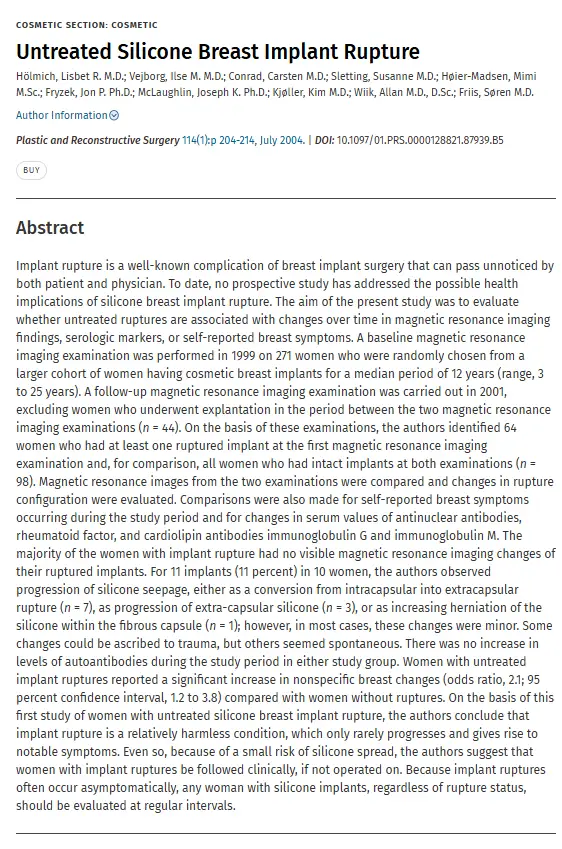
This study was conducted to find out whether surgery is truly necessary when a breast implant ruptures, or whether it is safe to leave it alone.
The study involved a total of 64 women who had been diagnosed with implant rupture by MRI.
Two years after the rupture, most cases were observed not to have worsened.
There were also no notable changes in immune-related blood tests and the like.
In other words, when there are no symptoms, immediate surgery cannot be considered necessary.
Of course, since more silicone may leak out later, regular checkups are essential.
Breast implant rupture
What if there are symptoms?
Source
In this case, rupture can be divided into two types.
- Intracapsular rupture: the silicone stays within the capsule surrounding the implant
- Extracapsular rupture: the implant breaks through the capsule and spreads to surrounding areas such as breast tissue / lymph nodes
An extracapsular rupture can later cause the breast to harden or change shape, and can even trigger abnormal symptoms throughout the body, including the skin and lymph nodes.
An extracapsular rupture can occur at any time, whether the current state is asymptomatic or an intracapsular rupture.
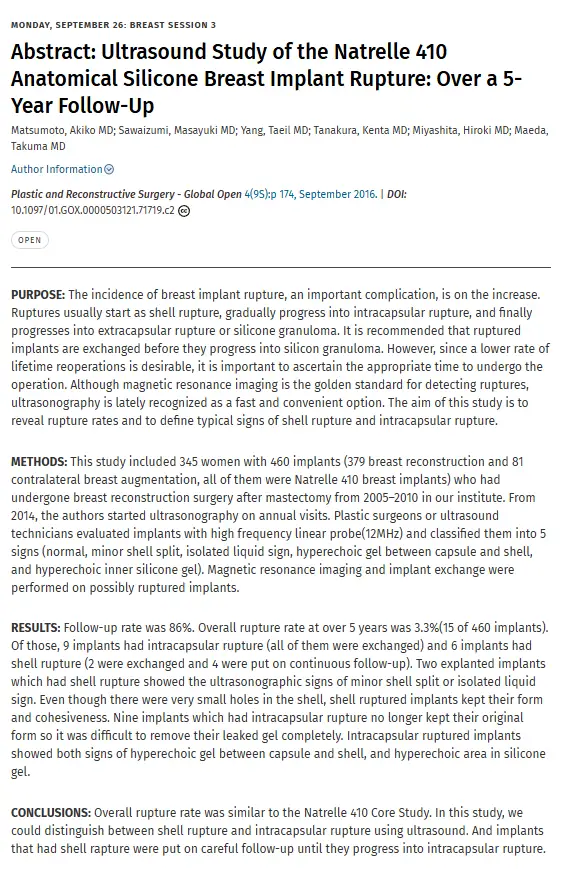
The material above is a study that used ultrasound to observe how silicone implants progress over time.
According to this study, rupture progresses in the order of cracks in the implant shell > intracapsular rupture > extracapsular rupture.
It notes that by the time symptoms appear, subtle silicone leakage may already be underway even if the rupture is not clearly visible on MRI or ultrasound.
Having symptoms means that a corresponding amount of silicone has already leaked out of the implant.
That is why implant removal or replacement must not be delayed.
During surgery, in addition to the existing implant, the surrounding capsule may also need to be removed.
This is because silicone leaked from the ruptured implant may have spread into the surrounding capsule.
For details, we recommend consulting a skilled attending surgeon.
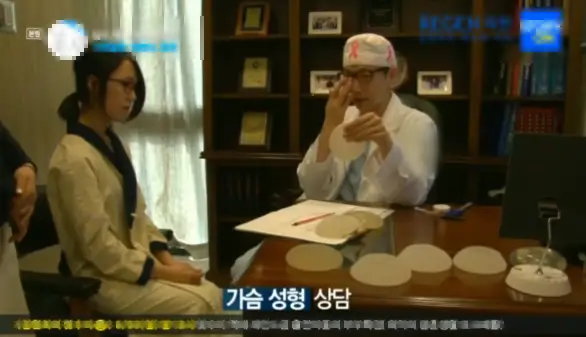
For those looking into breast implant rupture, this is all we have prepared.
You may now be wondering whether to simply remove the implant or replace it with another.
Removal or replacement?
Source
For those weighing these two options, we attach the columns below.
All of them are based on research data, so please be sure to read them before consulting a clinic.
〈 For those who want to replace their implants 〉
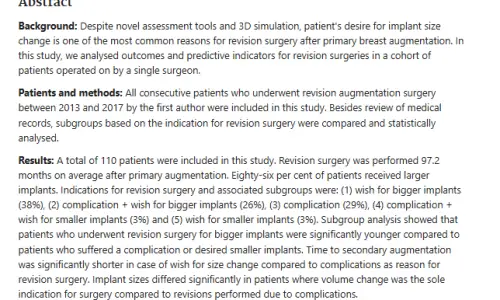
Breast revision surgery reviews: size dissatisfaction / implant replacement? Surgical safety examined through published studies
Hello. We are U&U Plastic Surgery, founded on 20 years of research devoted solely to breast surgery…
blog.naver.com
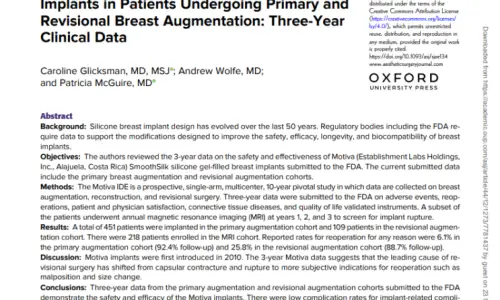
Motiva revision surgery: we present the results of a 3-year follow-up study of 109 patients.
Hello, this is U&U Plastic Surgery.
blog.naver.com
〈 For those who only want their implants removed 〉
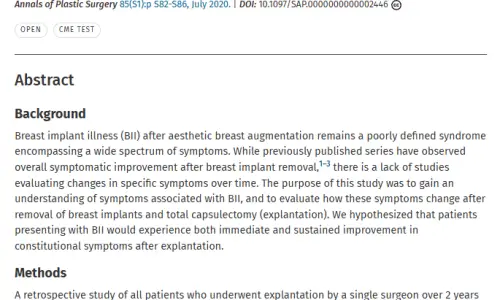
Breast implant removal reviews? Shape and body changes examined through 2 published studies
Hello. We are U&U Plastic Surgery, devoted exclusively to breast surgery. < Gangnam…
blog.naver.com
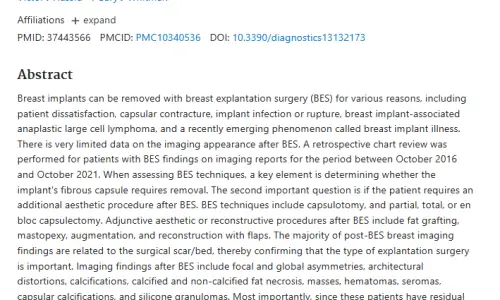
Breast implant removal cost? It is hard to know without 'this'. <For those with Allergan/Polytech implants>
Hello. We are U&U Plastic Surgery, founded on 20 years of research devoted solely to the breast. …
blog.naver.com
At U&U Plastic Surgery, we currently keep the principle of 3 surgeries / 6 consultations per surgeon per day.
In addition to anesthesiology, a breast surgeon is on staff full-time, forming an infrastructure that allows breast diagnosis and more.
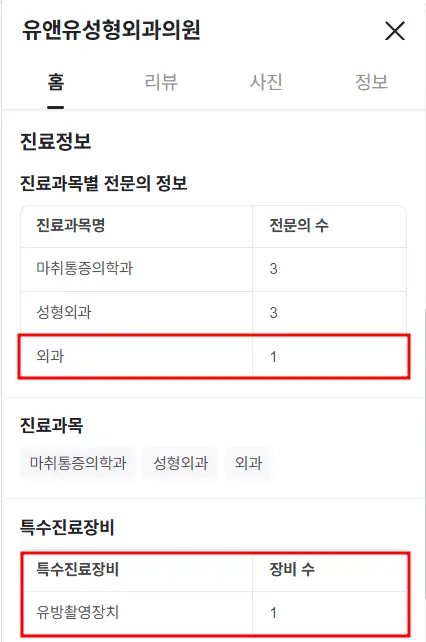
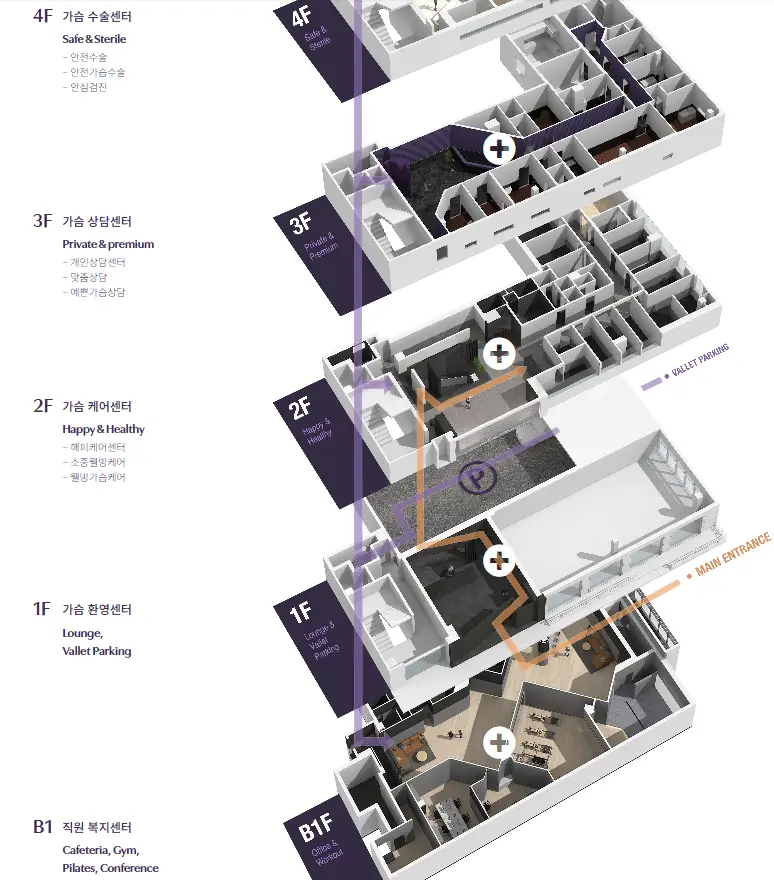
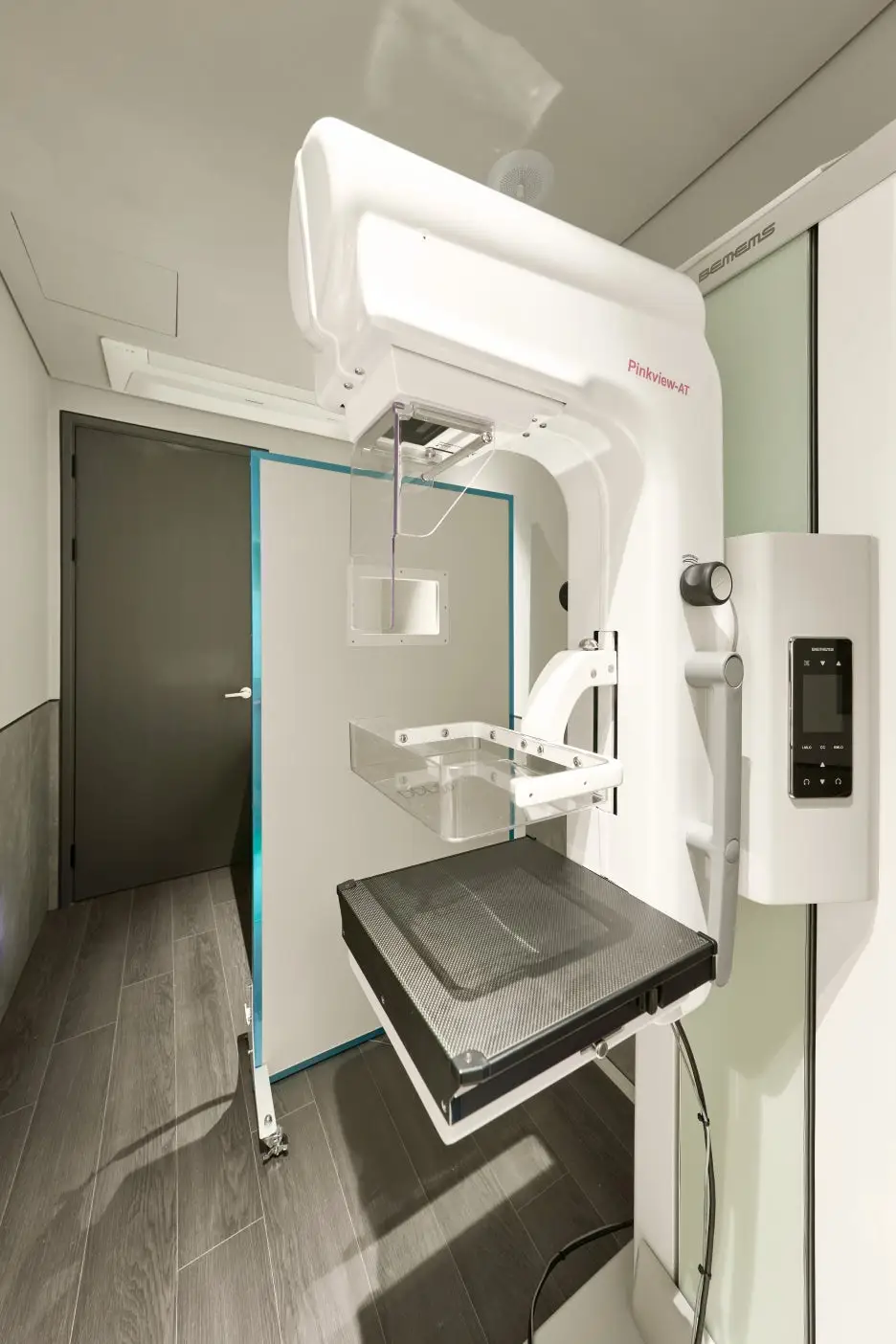
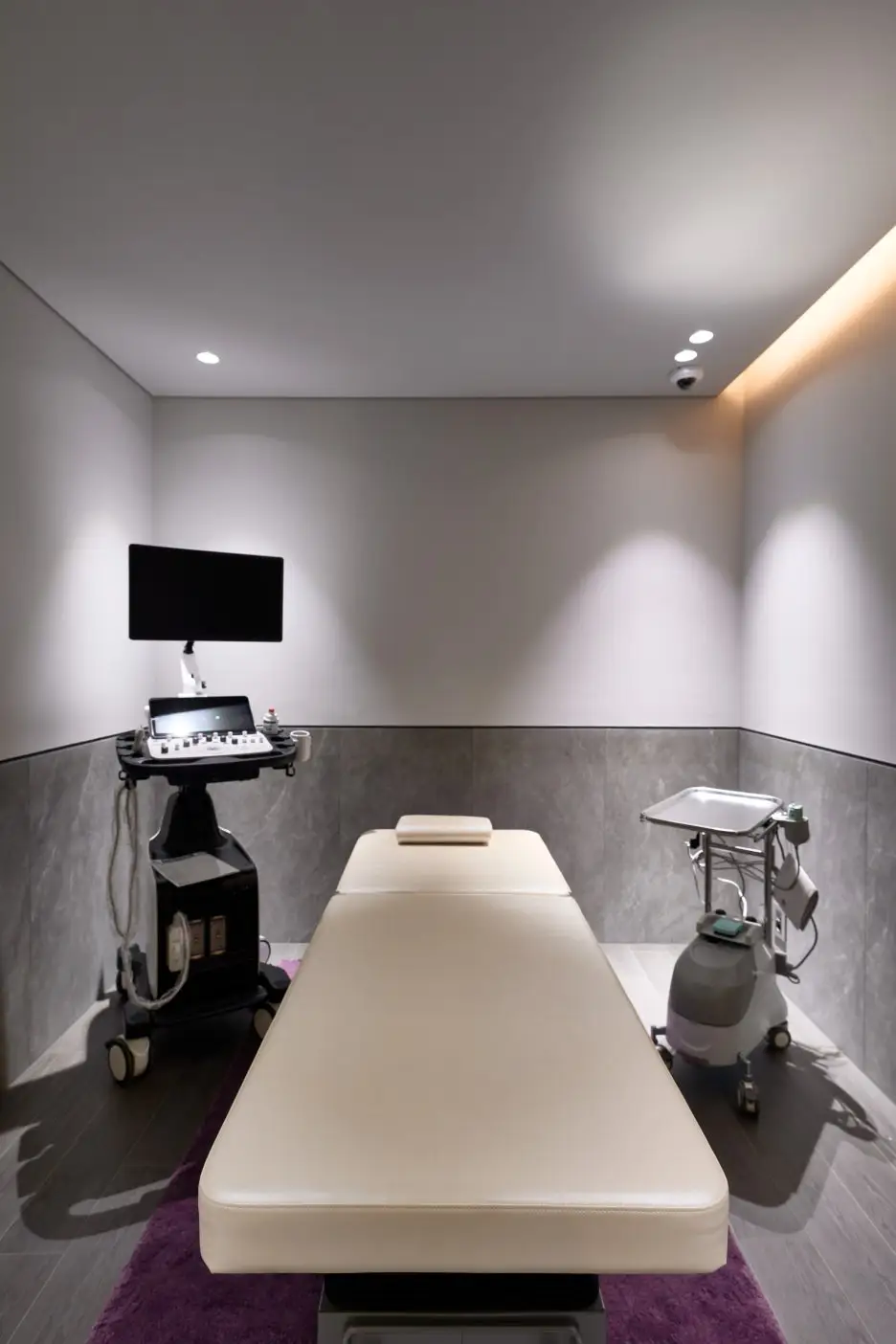
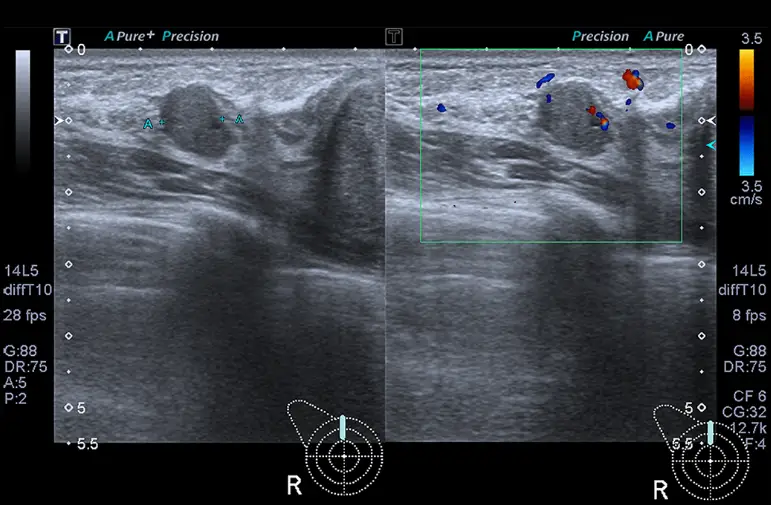
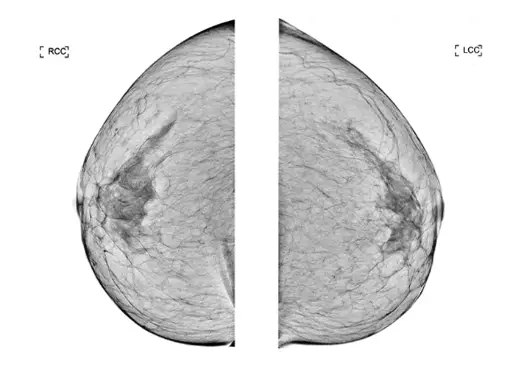
Checkups including mammography / Mammotome / ultrasound
If you would like a consultation, please schedule it through 'Naver Booking' so we can coordinate the timing.
Thank you for reading this long article.
This has been U&U Plastic Surgery, founded on 20 years of research devoted solely to the breast.
〈 This is what U&U Plastic Surgery is like 〉
Introducing U&U Plastic Surgery: why we have done only breast surgery for 20 years
U&U Plastic Surgery is a plastic surgery clinic that treats only the breast.
blog.naver.com
Introducing our breast surgery / anesthesiology and pain medicine specialists.
Most people considering breast augmentation care about the plastic surgeon - the operating surgeon…
blog.naver.com
〈 Directions 〉
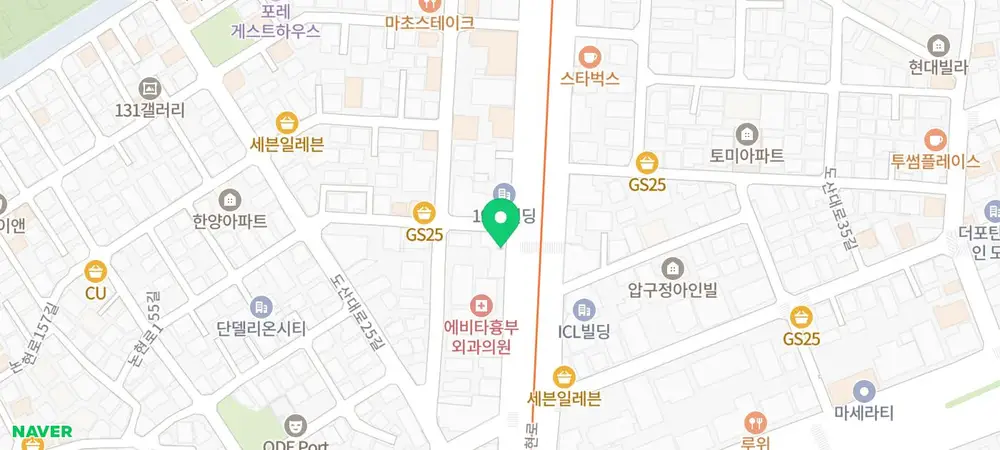
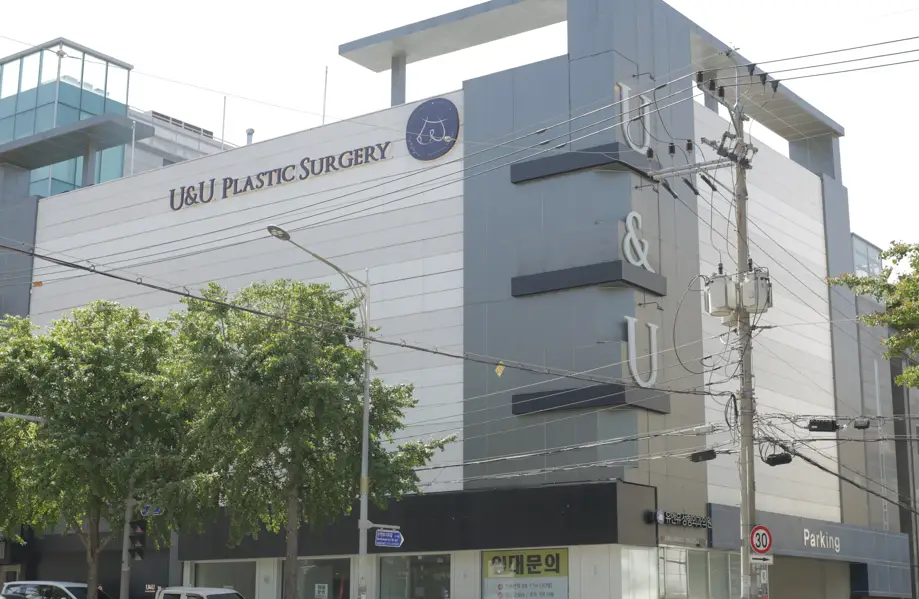
U&U Plastic Surgery Clinic
Myungkwang Building, 819 Nonhyeon-ro, Gangnam-gu, Seoul