
Breastfeeding After Breast Augmentation: If You Plan to Breastfeed, Tell Us First
This guide covers breastfeeding after breast augmentation for patients having surgery in Korea at U&U Plastic Surgery, a breast-only clinic in Gangnam, Seoul. There can be differences depending on the surgical method and the incision. Which is why planning with that knowledge is not the same as planning without it.
Medically reviewed byKikap Kim · Chief Director, Plastic Surgery
Breastfeeding After Breast Augmentation at U&U Plastic Surgery at a Glance
- Can you breastfeed?
- It can differ with the surgical method and the incision, but in many cases pregnancy and breastfeeding are possible. Because it also differs with your anatomy and the surgical plan, we do not guarantee that breastfeeding will be possible.
- What we look at
- We look at the incision site, how far glandular tissue is involved, the layer the implant sits in and the type of surgery together, and in approaches that do not cut the glandular tissue directly, the ability to breastfeed is often preserved. On the incision alone, the armpit sits farthest from the nipple and areola and an incision around the areola runs closer to the structures around them, but the incision alone does not decide the outcome.
- When a reduction or lift is involved
- Breast reduction works directly on the glandular tissue and the ducts, so it can affect breastfeeding, and while we can design toward keeping the possibility open, we cannot guarantee it. A lift and inverted nipple correction also vary with the method, so if you plan to have children we revisit the type of surgery or its timing with you.
- Planning children and timing surgery
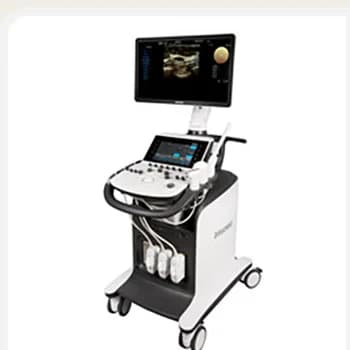
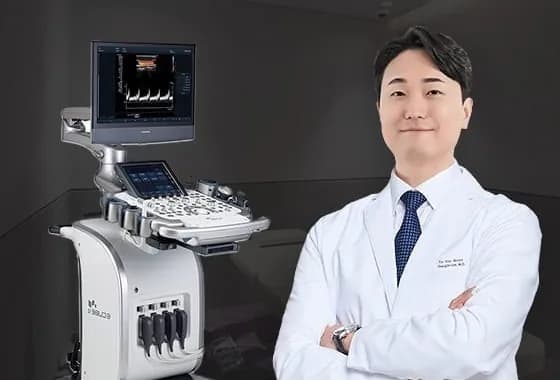
- Planning to have children does not mean surgery must be postponed, but we decide knowing that pregnancy and breastfeeding can change the breast tissue afterwards. We avoid operating right after breastfeeding and allow enough recovery time, and either way we first check the current state with breast ultrasound before surgery.
- Pregnancy and nursing with implants in place
- During pregnancy glandular tissue develops and it is the tissue over the implant that expands, not the implant, so the breast grows and comes back down once nursing ends. You must say that you have implants when you go for screening, and we do not judge revision by the shape during this period.
- What to tell us at consultation
- Whether you plan to have children and roughly when, previous breastfeeding and any difficulty, whether breastfeeding is something you definitely want, inverted nipples or other nipple and areola concerns, when you last stopped breastfeeding, and records of any previous breast surgery. Where the incision goes and how far glandular tissue is involved can only be changed before surgery.
- What we do not state as fact
- We do not quote figures for milk supply or breastfeeding success rates. Breast milk safety, medication while breastfeeding and mastitis belong to obstetrics and paediatrics, so we point you to the clinicians looking after you, and if needed we put our records together for you.
- Medical team
- Dr. Kikap Kim, Chief Director (plastic surgery; appointed Key Opinion Master by Motiva Korea), plastic surgeons Dr. Jeonghwa Seo and Dr. Yunggi Lee, and Dr. Beomsik Bang, On-Site Director of Breast Surgery.
- Consultation
- Phone +82-2-544-6996, online consultation, WhatsApp, LINE or WeChat depending on your region, and KakaoTalk. Weekdays 10:00 to 19:00, Fridays until 21:00.
Possible in many cases, but not something we guarantee
In many cases, pregnancy and breastfeeding are possible after breast augmentation. In approaches that do not cut the glandular tissue directly, the ability to breastfeed is often preserved. That said, it can differ with your anatomy and the surgical plan, so we will not tell you flatly that there is no issue.
Breastfeeding is not decided by surgery alone either. Difficulty breastfeeding after childbirth also happens to people who have never had surgery. So we avoid both "you cannot because of the surgery" and "surgery makes no difference at all", and instead separate out what can actually have an effect.

What we look at in relation to breastfeeding
These are the items we go through in consultation. None of them decides the outcome by itself.
| Item | Why it is relevant | What we do about it |
|---|---|---|
| Incision site | A periareolar incision runs closer to the structures around the nipple and areola. | If you plan to breastfeed, we factor that into where the incision goes. |
| How far glandular tissue is involved | Where glandular tissue is not cut directly, function is often preserved. | We work toward approaches that reduce tissue damage. |
| The layer the implant sits in | The layer changes how much contact there is with breast tissue. | We choose the layer looking at your condition and your goal together. |
| The type of surgery | Augmentation and reduction involve breast tissue to very different degrees. | If reduction or a lift is included, we explain the possible effect separately. |
It is a different conversation when a reduction or lift is involved
Breast reduction works directly on the glandular tissue and the ducts, so it can affect breastfeeding. We can design toward keeping the possibility open, but we cannot guarantee it. Not blurring that distinction is our standard.
A lift also involves the area around the nipple and areola, depending on the method and extent. So if you plan to have children, we may revisit the type of surgery itself, or discuss adjusting the timing. Inverted nipple correction likewise varies with the degree and the method, so we need to know your plans first.
Deciding timing when you plan to have children
This is not a question with one right answer; it is a question of what you want to put first.
- 01
Operating before childbirth
Planning to have children does not mean surgery must be postponed. But it is better to decide knowing that pregnancy and breastfeeding can change the breast tissue afterwards.
- 02
Postponing until after childbirth and breastfeeding
Designing after the changes have happened makes it more likely the plan is finished in one go. The trade-off is living with the present discomfort until then.
- 03
We avoid operating right after breastfeeding
Breast tissue can keep changing immediately after breastfeeding. Judging once things have settled, after enough recovery time, is more accurate.
- 04
Either way, examination comes first
We check the current state with breast ultrasound before surgery. If pregnancy or breastfeeding is ahead of you, having that on record is all the more worthwhile.
The breast after breastfeeding ends
After childbirth and breastfeeding, loss of volume and loosening of the skin often appear together. That is, it is not simply that the breast gets smaller — sagging frequently comes with it. In that state, adding an implant alone may not produce the shape you want.
So for patients who come to us at this stage, we first assess whether augmentation alone is enough or whether a lift is needed alongside it. It is also common for the two sides to have changed differently. After nursing, tissue volume and degree of sagging often change unevenly between the sides. We confirm with breast ultrasound and examination before building a plan.
What we need you to tell us at consultation
This information changes the design itself. Telling us later is hard to undo.
- Whether you plan to have children, and roughly when you have in mind.
- Whether you breastfed after a previous birth, and whether there was any difficulty.
- Whether breastfeeding is something you definitely want, or whether other things come first.
- Whether you have inverted nipples or any nipple and areola concerns.
- When you last stopped breastfeeding (we need it to judge timing).
- Records of any previous breast surgery.
What we will not tell you
We will not promise that breastfeeding will definitely be possible after surgery. We will not quote figures for milk supply or breastfeeding success rates either, because reassurance without evidence is not what we think a consultation is.
Medical decisions during pregnancy and breastfeeding also fall partly to obstetrics and paediatrics. We tell you precisely what we know about surgery and the state of your breasts, and for the rest we point you to the clinicians looking after you.
Looking at incision sites from a breastfeeding perspective
The incision alone does not decide the outcome. But choosing it while knowing your nursing plans is different from choosing it without.
| Incision site | What we look at for nursing | When we consider it |
|---|---|---|
| Armpit | It sits farthest from the nipple and areola. | When nursing plans are clear and other conditions fit |
| Inframammary fold | The scar hides under the breast and does not pass around the areola. | When the pocket needs to be defined precisely |
| Around the areola | It runs closer to the structures around the nipple and areola. | When this route has other advantages, after discussing your plans |
| Reusing an existing scar | In revision surgery the previous incision is often reused. | Decided after reviewing your previous surgical records |
Pregnancy and nursing change the breast either way
Whether or not you have had surgery, pregnancy makes the breast larger as glandular tissue develops. Then once nursing ends the glandular tissue shrinks back. The problem is that stretched skin does not come back at the same pace. That is where you end up with the volume gone but the envelope still there.
So after childbirth it is hard to conclude that surgery caused the sagging. The same change happens to women who never had surgery. What an implant can change is how that change looks, not whether it happens.
There is a reason we bring this up first. You should not judge a surgical result by the shape of the breast during pregnancy and nursing. During that period the tissue itself is still moving. We make the call once things have settled.
Going through pregnancy and nursing with implants in place
Knowing this in advance means fewer surprises. Below are the questions we hear most often during this period.
The breast gets noticeably larger
Glandular tissue is developing, so the breast grows. The implant is not getting bigger. The tissue over it is expanding. Once nursing ends it comes back down.
When there is a lump or pain
Lumps and pain during nursing may be a glandular issue. Rather than assuming the implant is at fault, it is better to also see an obstetrician or a breast clinic.
When you go for screening
Before pregnancy or after nursing, you must tell the technician that you have implants. Some imaging methods change because of it.
Do not judge by the shape during this period
The sides may look different or the position may look off. That is because the tissue is in motion. Any revision decision waits until this period has passed.
Why telling us about nursing plans late makes things harder
Parts of a surgical plan are hard to undo. The incision has already been made and the layer the implant sits in is already set. If you tell us afterwards that you had been planning a child, the options have already narrowed.
Tell us at the start and several things change instead. Where the incision goes, how much glandular tissue we touch, whether a reduction or a lift goes in now or waits. All of those decisions hang on that one piece of information.
Some patients found it hard to say. The plan was not settled yet, or it felt too personal. Even so, telling us is better. We use that information only to plan the surgery.
What we check when you come after nursing
This is not the same consultation as before childbirth. The tissue has changed once, so there are things we measure again.
- How much volume has been lost. The upper pole often looks especially empty.
- How much the skin has stretched. This is where the need for a lift is decided.
- Whether the nipple has moved down. How far down it sits changes the method.
- Whether the sides have changed differently. After nursing this is common.
- We check the current state with breast ultrasound.
- Whether more pregnancies are planned. If so we revisit the timing.
What we prioritise depending on when you plan to give birth
The direction we recommend changes depending on roughly when you are planning.
| Planning window | What we look at | What we recommend |
|---|---|---|
| Within a year | Recovery and pregnancy may overlap | Discuss waiting until after childbirth, or planning a narrower scope |
| A few years away | One round of tissue change may pass in the meantime | Operate now, but decide knowing change may follow |
| No plans or undecided | We can plan based on your current state | Plan for your present goals while leaving the possibility open |
| Nursing just ended | Tissue change may still be under way | Allow enough recovery time and decide once it has settled |
Our territory and where obstetrics and paediatrics take over
What we can answer is the surgery and the state of the breast. Which incision was used, how much glandular tissue was involved, what the breast looks like now. That we can measure, examine and tell you.
Milk safety, medication while nursing, mastitis and the like belong to obstetrics and paediatrics. We think answering those without grounds is the more dangerous thing to do. When we get those questions we point you to the doctors managing that care.
So for patients approaching pregnancy or nursing we suggest keeping both sets of doctors in the loop. If you need our records we will put them together for you. The judgement is only accurate when both sides have the information.
The bigger change to the breast is not the surgery
If you only think about surgery changing the breast, you can get the order wrong. What the breast goes through during pregnancy, birth and breastfeeding is greater. Glandular tissue grows and then recedes, the skin stretches, and as volume drops, sagging appears. All of that happens within a few months, and it happens whether or not you have had surgery.
So the question you actually have to decide is not only whether surgery affects breastfeeding. When to operate carries the same weight. If childbirth is close in your plans, doing it afterwards makes the result last longer. If your plans are several years out, having surgery now and reviewing the changes then can be the better route.
We do not settle this by age or by a general recommended window. We settle it against your tissue as it is now, when childbirth is planned, and what you are willing to accept in between. Tell us your plan at the consultation and we will compare the merits of each order honestly.
Can an ultrasound tell whether you will be able to breastfeed?
This comes up often in consultations. Honestly: an ultrasound is not a test that tells you whether breastfeeding will work. It can show how much glandular tissue there is, what condition that tissue is in, and where previous surgery passed. But how much milk you will actually produce after childbirth is not calculated from those values.
We scan anyway because it adds material to the decision. Knowing whether enough glandular tissue remains, and whether an earlier incision ran close to where the ducts converge, lets us plan the operation differently. It is grounds for designing in the direction that improves the odds; it is not a tool for predicting the outcome.
Whether breastfeeding works is not decided by surgical history alone either. There are women who have never had surgery and still find breastfeeding difficult. That is why we do not use the word guarantee. Separating what can be done from your current state and what cannot be known is the accurate answer we are able to give.
One more thing: if you are planning to breastfeed, the most useful thing you can do is raise it early in the consultation. Telling us after the operation is over means the plan is already fixed and cannot be undone. Where the incision sits, and how far into the glandular tissue we go, are choices that can only be changed before surgery.
The questions we are asked most about breastfeeding
- Can I breastfeed after breast surgery?
- There can be differences depending on the surgical method and the incision, but in many cases pregnancy and breastfeeding are possible. In approaches that do not cut the glandular tissue directly, the ability to breastfeed is often preserved. Because it can still differ with your anatomy and the plan, it is worth going through it thoroughly before surgery.
- I plan to have children — can I still have surgery now?
- Planning to have children does not mean it must be postponed. But you do need to account for the fact that pregnancy and breastfeeding can change the breast tissue afterwards. We settle the right timing together, based on your life and your plans.
- Which incision is better for breastfeeding?
- There can be differences by incision site, so if you plan to breastfeed we factor that in. But it is not decided by the incision alone — how much the glandular tissue is involved works alongside it, so we do not choose on one factor.
- Can I breastfeed after a breast reduction?
- Reduction works on the glandular tissue and the ducts, so it can affect breastfeeding. We can design toward keeping the possibility open, but we cannot guarantee it. If you plan to have children, please be sure to say so at consultation.
- How long after breastfeeding can I have surgery?
- Breast tissue can keep changing right after breastfeeding, so allowing enough recovery time matters. We will advise on the exact point after checking your condition. Designing once the tissue has settled is what lets the plan finish in one go.
- Can I have breast screening with implants?
- Yes. You must tell the staff that you have implants when you are examined. If pregnancy or breastfeeding is ahead of you, we suggest having your breasts checked once beforehand.
- Is an armpit incision safer for breastfeeding?
- An armpit incision sits farthest from the nipple and areola. But the incision site alone does not decide it. How much glandular tissue is involved works alongside it. So we do not pick by incision alone, we decide with your condition and goals on the table together.
- Do implants affect breast milk?
- This is not something we are in a position to state definitively. It sits across obstetrics and paediatrics, so we direct you to the doctors managing that care. What we do is tell you accurately about the surgical method and the current state of your breast.
- The breast grows during pregnancy. What happens if I have implants?
- Glandular tissue is developing, so the breast grows. The implant is not getting bigger. The tissue over it is expanding. Once nursing ends it comes back down. Do not judge your surgical result by the shape during this period. Looking once it has settled is more accurate.
- After nursing ended my two sides became different.
- After nursing this is common. Tissue volume and the degree of sagging often change unevenly between the sides. In that case we measure each side separately and plan them differently. We confirm with breast ultrasound and examination before choosing the method.
Worth reading alongside this
Guides by Procedure
- Breast Augmentation in Korea
- Breast Augmentation Cost Guide — Quote Structure & Country Comparison
- Breast Revision Surgery — Capsular Contracture & Implant Replacement
- Breast Lift (Mastopexy) — Correcting Sagging Breasts
- Nipple & Areola Surgery — Inverted Nipples & Accessory Breasts
- Motiva Breast Augmentation
- Post-Surgery Breast Screening — Mammotome & Ultrasound
- Fat Transfer & Hybrid Breast Augmentation
Knowing your plans widens the options
Tell us about your plans for children and how you feel about breastfeeding, and we will settle the method and the timing with you. If postponing is the better call right now, we will say so.