
Breast Implant Checkup in Korea: Surgery Ending Is Not the Same as Care Ending
This guide covers breast implant checkups in Korea at U&U Plastic Surgery, a breast-only clinic in Gangnam, Seoul. Changes around an implant can progress without symptoms. A checkup is something you do before there is a problem, not after.
Medically reviewed byKikap Kim · Chief Director, Plastic Surgery
Breast Implant Checkups at U&U Plastic Surgery at a Glance
- Why check
- Silicone implant rupture can exist without symptoms, so having no discomfort is not a basis for judgement on its own. Recording your current condition lets us compare when something changes and tell from when it began.
- What is checked
- Routine checkups look at rupture, contracture and capsule thickness, implant position and rotation, and findings in the breast tissue separate from the implant. Before surgery we check the breast condition, the need for a biopsy and asymmetry; early after surgery, how the implant has settled and any seroma or haematoma.
- In-house tests
- Breast ultrasound, mammography, biopsy and mammotome, and blood tests for breast cancer such as MastoCheck are done on site. Ultrasound is the basis; MRI is added when ultrasound alone is inconclusive or rupture is suspected, and not everyone needs it.
- When to come
- The next checkup depends on implant type, timing of surgery, course so far and earlier findings, so we do not pin it to a number and set the next date when each checkup ends. If the breast becomes firm, one side changes shape, or new pain or a lump appears, come in regardless of timing.
- Operated on elsewhere
- Checkups after surgery at other clinics are part of our practice, and even without surgical records ultrasound shows the plane the implant sits in, the capsule condition and any findings suggesting rupture. Bringing your surgical record or implant card, earlier images and reports makes the assessment more accurate.
- If you live overseas
- We set out which tests and items to have locally and what to look for in the results, and review local results with you if you send them. You can also have an on-site checkup alone, without surgery, during a trip to Korea.
- After the result
- Most checkups end with no findings or observation, and when the picture is unclear further tests add information. If revision is worth considering we first explain what would be done and why; a checkup visit is not turned into a surgery consultation.
- Medical team
- Dr. Kikap Kim, Chief Director (plastic surgery; appointed Key Opinion Master by Motiva Korea), plastic surgeons Dr. Jeonghwa Seo and Dr. Yunggi Lee, and Dr. Beomsik Bang, On-Site Director of Breast Surgery.
- Consultation
- Phone +82-2-544-6996, online consultation, WhatsApp, LINE or WeChat depending on your region, and KakaoTalk. Weekdays 10:00 to 19:00, Fridays until 21:00.
Why it is checked even without symptoms
Sometimes a change in shape or in how the breast feels is what leads to a finding, but findings also turn up with no symptoms at all. Rupture of a silicone implant in particular can exist without symptoms. So "nothing bothers me, therefore it is fine" is not evidence of anything.
The point of a checkup is not only to find problems. Put today's state on record and next time something changes, you can tell when it started. Without an earlier record to compare against, any judgement becomes a guess. That is why we suggest a checkup to anyone who has never had one.
What a checkup looks at
What is examined differs before and after surgery. The table lists what is looked at, not a diagnosis.
| Stage | What is examined | Why it is looked at |
|---|---|---|
| Before surgery | Current breast condition (any disease), whether a biopsy is needed, overall contour and asymmetry. | The findings change which surgical approach and which implant suit you. |
| Early after surgery | How the implant has settled, presence of seroma or haematoma. | Catching these early keeps the options open. |
| Routine checkup | Rupture, contracture and capsule thickness, implant position and rotation. | Some changes progress without symptoms, so palpation alone is not enough. |
| The breast itself | Findings in the breast tissue, separate from the implant. | Breast health has to be checked on its own, whether or not you have had surgery. |
Examinations available on site
A breast-surgery subspecialist is on site at U&U, so examination, diagnosis and treatment continue in one place.
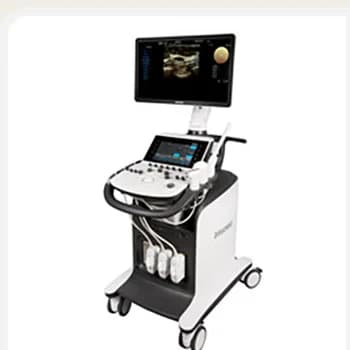
Breast ultrasound
The basis of a routine checkup. It can help identify findings such as contracture, rupture and seroma.
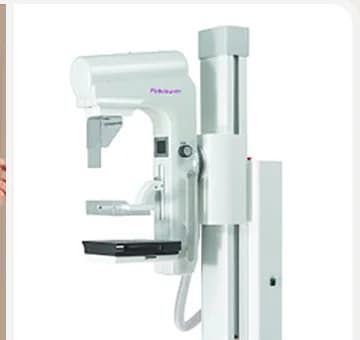
Mammography
A breast imaging examination. It shows different things from ultrasound, so the two are used together depending on the situation.
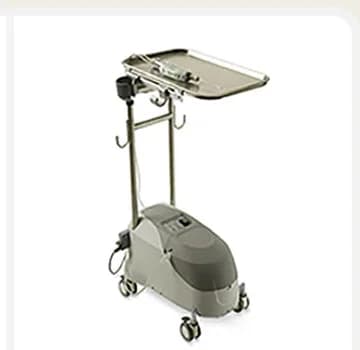
Biopsy and mammotome
If it is judged necessary, it can be done here without delay. There is no need to be sent between clinics.
Blood test for breast cancer
Blood-based tests such as MastoCheck are available on site as well. Their purpose differs from imaging.
Ultrasound and MRI do different jobs
We recommend routine ultrasound checkups. They are low-burden and show the implant together with the surrounding tissue. MRI evaluates the implant in more detail and is used to add information when ultrasound alone is inconclusive or rupture is suspected.
Not everyone needs an MRI. The examination plan is built from the ultrasound findings and your condition. What matters is not having many tests but having the right test at the right time.
Worth coming in sooner if any of these apply
These are reasons to have a look, not signs that something is wrong.
- The breast has felt firmer than before, or its shape seems changed, and it has continued.
- Only one side has changed in size or form.
- New pain, tightness or swelling has appeared.
- There is a lump you can feel.
- It has been a long time since surgery and you have never had an ultrasound check.
- You have no surgical record, or do not know which implant you have.
It is fine if you were operated on elsewhere
Checkups and consultations after surgery at other clinics are a core part of our practice. The more you can tell us about the previous surgery — implant type, when it was done, the incision used — the more precise the check. Even with no records at all, ultrasound can establish the current state, so please come as you are.
We do not recommend surgery on the strength of a checkup alone. If the state is one to watch, we say so, and we set what to look at next time. We do not run checkups as a route into a surgical consultation.
If you live overseas
Once you are home, continuing checkups locally is the realistic option. So for patients we have operated on, we write down which examinations to have, under which items, and what to look for in the results. Send us your local results and we will go through them with you.
If you have a trip to Korea planned, booking an in-clinic checkup into it is another option. Some people come purely for the checkup and no surgery. In that case the stay you need is short.
Each test is good at seeing something different
People often ask which test is better. It is not better or worse, it is that they see different things. Which is why one test does not always finish the job.
| Test | What it sees well | What it cannot settle alone |
|---|---|---|
| Palpation | Firmness, change of shape, a lump you can feel | Says nothing about what is happening inside |
| Breast ultrasound | Implant and capsule, fluid collected around them, findings in the breast tissue | Sometimes leaves the reading ambiguous |
| Mammography | Fine detail within the breast tissue | The implant obscures part of the view, so the technique has to be adapted |
| MRI | Shows the state of the implant in more detail | Not a test everybody needs |
How the day itself runs
It starts with questions. When you had the surgery, what implant it was, whether anything has felt different lately. Those three decide what else we look at that day.
Then examination and ultrasound. The scan goes side by side, working through implant, capsule and surrounding tissue in order. You watch what we see on the screen as we go.
Last comes the explanation. Where things stand now, and what we will use as the marker next time. We do not finish by texting you a one-line result.
What to look for in the report
For those of you being checked at home, here is what to go and read in the report itself.
State of the implant shell
Whether the shell is continuous, and whether folds are visible. If a rupture is suspected, the wording shows up here.
Thickness and character of the capsule
Whether the capsule has thickened, and whether calcification is visible. This is what gets read alongside when judging contracture.
Fluid around the implant
Whether anything has collected, such as a seroma or a haematoma. It is more useful when the amount and location are written down too.
Findings in the breast tissue itself
Whether anything shows in the breast independently of the implant. If this section is blank, the scan only looked at the implant.
It is fine if you have no records
More people than you would think tell us they have no idea what implant is in there. It was long ago, or the clinic no longer exists, or nobody handed them the paperwork. Come as you are.
There are things ultrasound can tell us and things it cannot. Which plane the implant sits in, what state the capsule is in, whether there are findings suspicious for rupture, all of that we can check. What we cannot get from an image is information that only ever lived on paper, like the manufacturer and the exact volume.
So when there are no records, we build you a new reference point out of today. Put down what we saw today, and next time something changes you have something to compare against.
Worth bringing with you
The checkup works without any of it. It just becomes considerably more precise when you have it.
- The operative record or the implant card. A photo of it is fine.
- Any previous ultrasound or MRI images, and the radiologist's report.
- Photographs taken shortly after the surgery, if you have them.
- The names of any medication you are currently taking.
- A note of when you first felt something had changed, and what.
- If you have had a revision or a procedure before, roughly when.
Implants do not excuse you from breast cancer screening
Having had breast surgery is not a reason to skip cancer screening. An implant checkup and a cancer screening are tests with different purposes. Having had one does not count as having had the other.
What you must do is tell them you have implants when you go. It changes how the images are taken and how they are read. Go through it without saying so, and whatever the implant hid goes past unremarked.
At U&U a breast surgery subspecialist is on site, so both of these get looked at in one place. Ultrasound and mammography, biopsy and mammotome if needed, and blood-based testing all follow on in the clinic. You do not have to travel between hospitals to get tested.
What happens next, depending on the result
People ask whether a checkup automatically leads to something being done. In practice it forks four ways, and most of the time it ends on the top two lines.
| Result | What we do next | What we go by next time |
|---|---|---|
| Nothing of note | Puts today's state on record | The next check is timed to your condition |
| A minor change | Watches it without treating it | Whether the change is progressing, compared at the next checkup |
| The reading is ambiguous | Adds information with a further test | Decided again once the further test comes back |
| A case for considering revision | Starts by explaining what we would do and why | The treatment side continues in the contracture, removal and revision guides |
Why we do not pin the interval to a number
How often should I come is the question we get most. But giving you a single number would not be accurate. The type of implant, when the surgery was, how things have gone since, and what showed up at your last check all move the next point.
For instance, if there were no findings last time and you have no symptoms, you can leave more room. Conversely, if a trend of the capsule thickening showed up, or you have had revision for contracture before, checking more often is better. Even for the same person it changes over time.
So at the end of a check we set your next visit right there. Not a general rule, but a point based on the results in front of us. If you notice a change in between, come in regardless of the timing.
The thoughts that make people put a check off
Many say it took them years to come in. These are the thoughts they had in that time.
No symptoms, so it must be fine
A silicone implant rupture can exist without symptoms. Symptoms not being a reliable measure is exactly why regular checks exist.
They probably will not see me if I did not have surgery there
Checks for people who had surgery at another clinic are within what we do. Even without records, we confirm on ultrasound and write up where you stand now.
They will just tell me to have surgery
Most checks end in no findings or watchful waiting. If your state is one where revision needs considering, we start by explaining what we would do and why.
It has been so long, what is the point now
The longer it has been, the more worth there is in checking once. Contracture or rupture, the earlier it is found the wider your options are.
What to check yourself between visits
This does not replace the imaging. It does help you notice a change early.
- Whether a firm feeling lasts weeks rather than days.
- Whether one side alone has changed shape or looks to sit higher.
- Whether it holds its form lying down instead of spreading naturally.
- Whether a pulling sensation or pain is newly there.
- Whether the size has suddenly changed or there is a swollen feeling.
- Whether a new lump can be felt. This one needs checking independently of the implant.
What changes once your records build up
There is a limit to what one check can tell you. We can see that the capsule is at this level now, but whether it was always like that or thickened recently needs something to compare against.
So we record where you stand even when there are no findings. It is there to compare against next time. Knowing the direction of change is more accurate than reading a single point, and that is the real worth of a regular check.
If you have results from elsewhere, bring them so we can look together. A report or the image files is enough. If you are overseas and had it done locally, send it over and we will go through it with you.
The questions we are asked most about implant checkups
- Why do regular checkups matter after breast surgery?
- Breast surgery ending does not mean care has ended. It matters to check both the implant and your breast health regularly. Ultrasound in particular can help identify findings such as contracture, rupture and seroma.
- How often should I have one?
- It depends on the type of implant, when the surgery was, and the current state. At each checkup we set together when the next look would be worthwhile. Fitting the interval to your situation is more accurate than quoting a single figure for everyone.
- How would I know if an implant has ruptured?
- It is sometimes found through a change in shape, a change in feel, or asymmetry — but it is also found with no symptoms at all. Silicone implants in particular can be in that state without symptoms, which is why regular checkups matter. Ultrasound and MRI can help establish the state.
- Do I have to have an MRI?
- It does not apply the same way to every patient. MRI shows the implant in more detail and can help when rupture needs to be confirmed or further evaluation is needed. The plan is built from the ultrasound findings and your condition.
- If the checkup finds something, does surgery follow straight away?
- No. Depending on what is found and to what degree, watching it is often enough. There are separate criteria for considering revision, and even then we explain what we intend to do and why before anything else.
- Can I still have breast cancer screening after implants?
- Yes. With implants there are things to account for in how images are taken and read, so you must always tell the staff that you have implants. At U&U, breast cancer screening — including pre-operative examinations — is done on site.
- I have no surgical records. Can I still have a checkup?
- Yes. Even without records, ultrasound can show which plane the implant sits in, what state the capsule is in, and whether there are findings suspicious for rupture. What an image cannot give you is information that only lived on paper, like the manufacturer or the exact volume.
- Can I come just for a checkup?
- You can. Some people come purely for the checkup with no surgery involved. The stay needed in that case is short. And we do not run the kind of flow where coming in for a checkup turns into a surgical consultation.
- Will you look at checkup results I had done at home?
- Yes. Send the images or the report and we will go through them with you. We will also set out beforehand what to have done and what to look for in the result. What does limit us is a summary with no original images.
- Does the checkup hurt?
- Ultrasound is essentially painless. Mammography can be uncomfortable while the image is taken, because of the compression. If a biopsy is needed, it is done under local anaesthetic. Which tests you end up having is decided on the day, from the ultrasound.
Worth reading alongside this
Guides by Procedure
- Breast Augmentation in Korea
- Breast Augmentation Cost Guide — Quote Structure & Country Comparison
- Breast Revision Surgery — Capsular Contracture & Implant Replacement
- Breast Lift (Mastopexy) — Correcting Sagging Breasts
- Nipple & Areola Surgery — Inverted Nipples & Accessory Breasts
- Motiva Breast Augmentation
- Post-Surgery Breast Screening — Mammotome & Ultrasound
- Fat Transfer & Hybrid Breast Augmentation
If you cannot remember when it was last checked
Tell us what you know about when you were operated on and which implant you have, and we will explain which examinations you need. You are welcome even if the surgery was done elsewhere.